ICMA's Andy Hill: "Bonds Don't Price Themselves", and Repo Documentation Now Covers 75 Jurisdictions Including the Gulf
On the UAEFMA Podcast, ICMA's Andy Hill told André Kurten that repo underpins market making and bond liquidity, and that ICMA's GMRA legal opinions now support repo contracts in about 75 jurisdictions, including in the Gulf.
 By UAEFMA Editorial Team
Dubai, November 24, 2026 2 min read
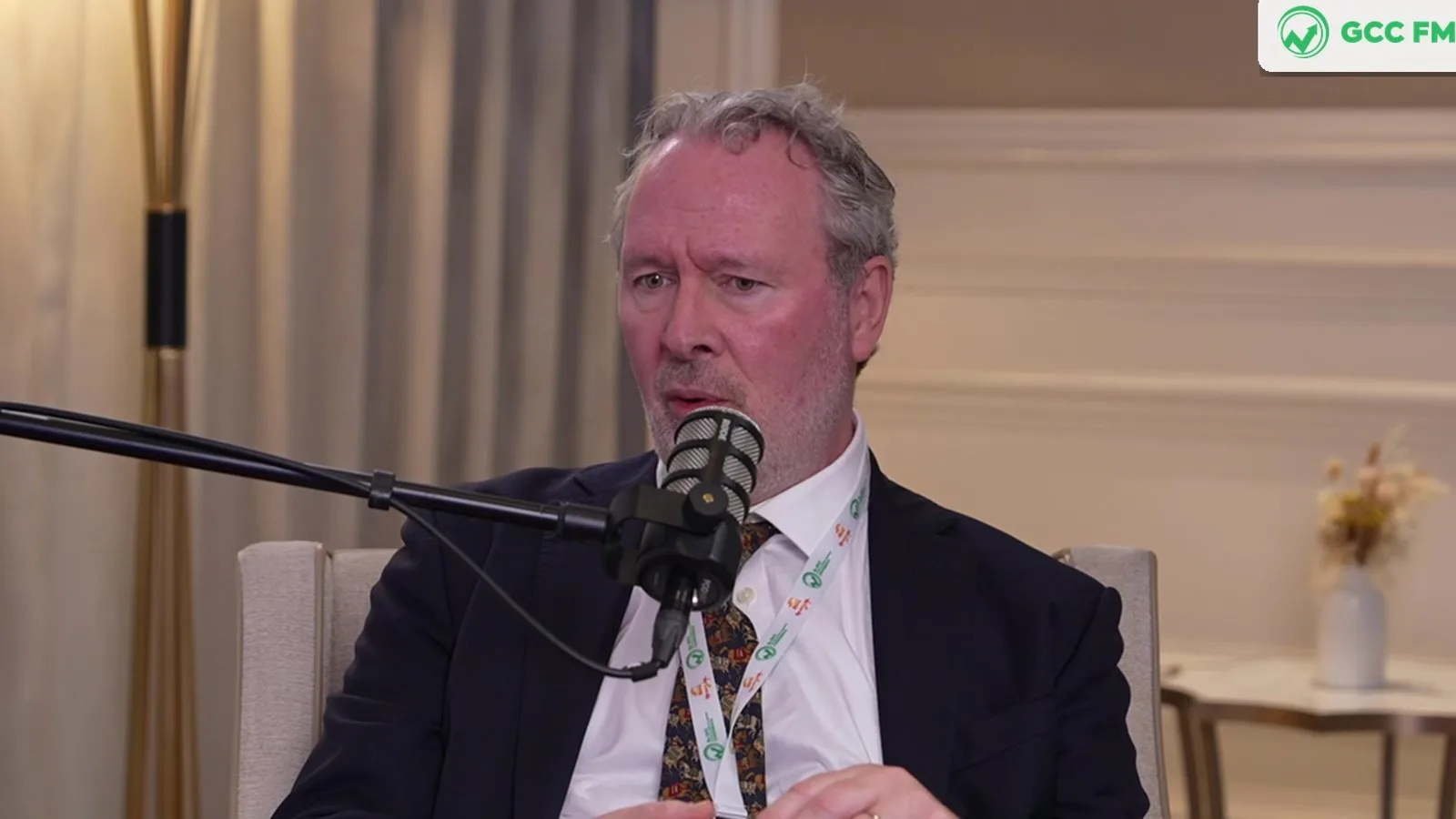
"Bonds don't price themselves," Andy Hill, Managing Director and Co-Head of Market Practice and Regulatory Policy at the International Capital Market Association (ICMA), said on the UAEFMA Podcast, recorded at the 6th GCC Financial Markets and Treasury Conference (GCC FMT 2026) in Dubai.
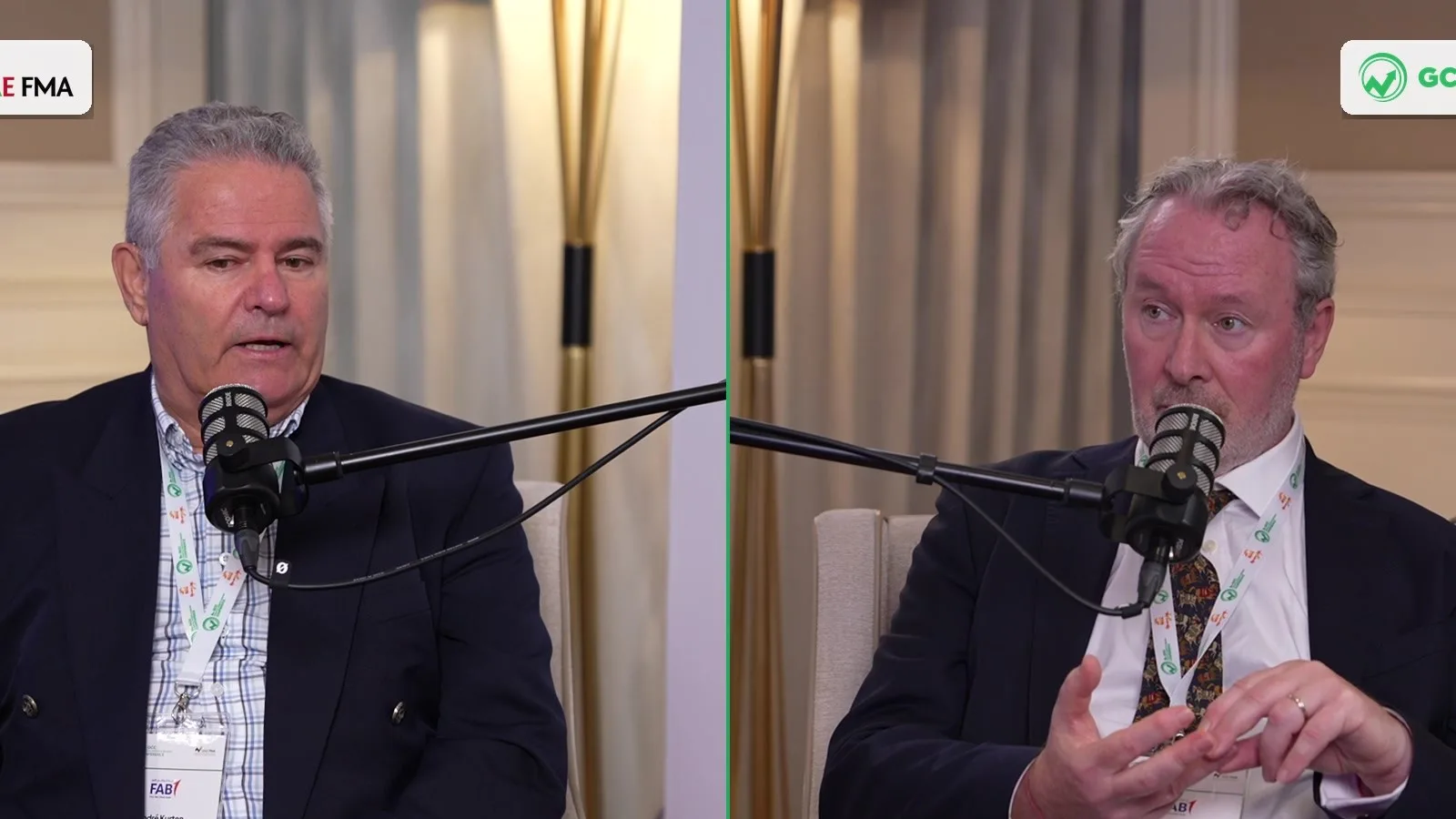
Speaking with financial markets trainer André Kurten, Hill said bond market development tends to focus on primary issuance, with secondary liquidity "an afterthought". Repo, he said, is "such an important ingredient" in that mix.
Repo as the catalyst for liquidity
"Developing a bond market is chicken and egg. You need secondary market liquidity to grow the primary market, and repo is the catalyst for creating that liquidity," Hill said. "You need market makers to provide two-way pricing, immediacy, liquidity. You can't support market making without a repo market."

Repo also lets institutions use collateral to meet margin requirements and gives central banks a channel to transmit monetary policy through the banking system, he said, which together create "a fertile environment for more primary issuance."
Education and a legal framework
Hill said ICMA can help through education and capacity building, because repo "can become complicated very quickly" and is often misunderstood. Markets also need a contractual framework that supports title transfer and netting.
ICMA supports the Global Master Repurchase Agreement (GMRA), the globally used repo contract, and provides legal opinions on its enforceability "in, I think, 75 jurisdictions now, including here in the Gulf," he said.
Kurten added that inter-dealer brokers have been an important catalyst for repo markets in developing economies, and that an active bond market helps governments borrow more cheaply. Hill agreed: a deep government curve lets sub-sovereigns and corporates price off it, "and that actually reduces funding costs."
UAEFMA Editorial Team
The newsroom of UAEFMA Markets, the news service of the UAE Financial Markets Association, covering UAE banking, treasury, capital markets and fintech.