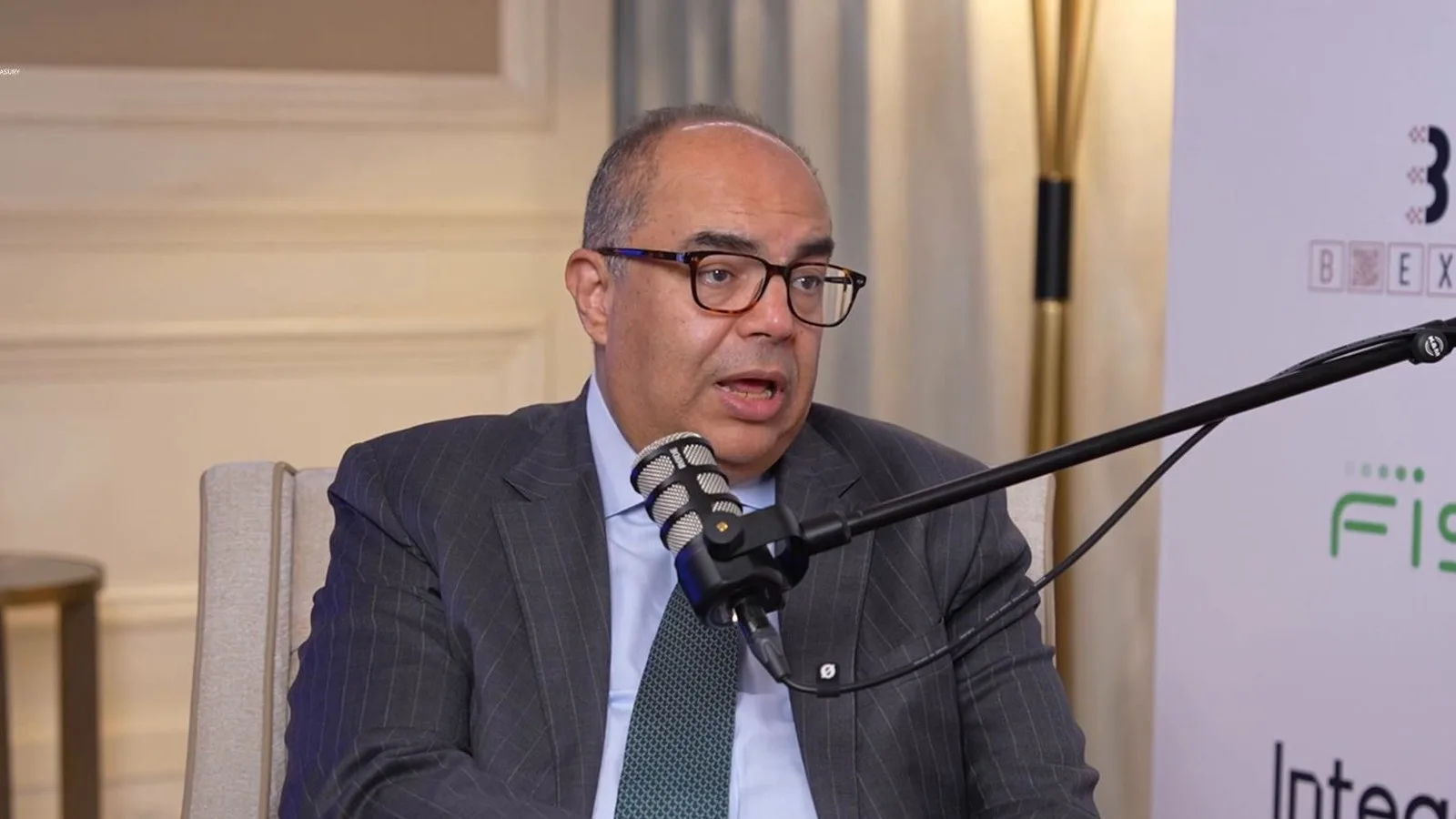
Dr. Mahmoud Mohieldin: Public-Private Partnerships and Private Equity Are Key to Closing the $4 Trillion Sustainable Finance Gap
On the UAEFMA Podcast, UN Special Envoy Dr. Mahmoud Mohieldin said high-income economies like the UAE are expected to invest 3 to 5% of GDP a year in sustainable development, and that PPPs and private equity will do "the trick".
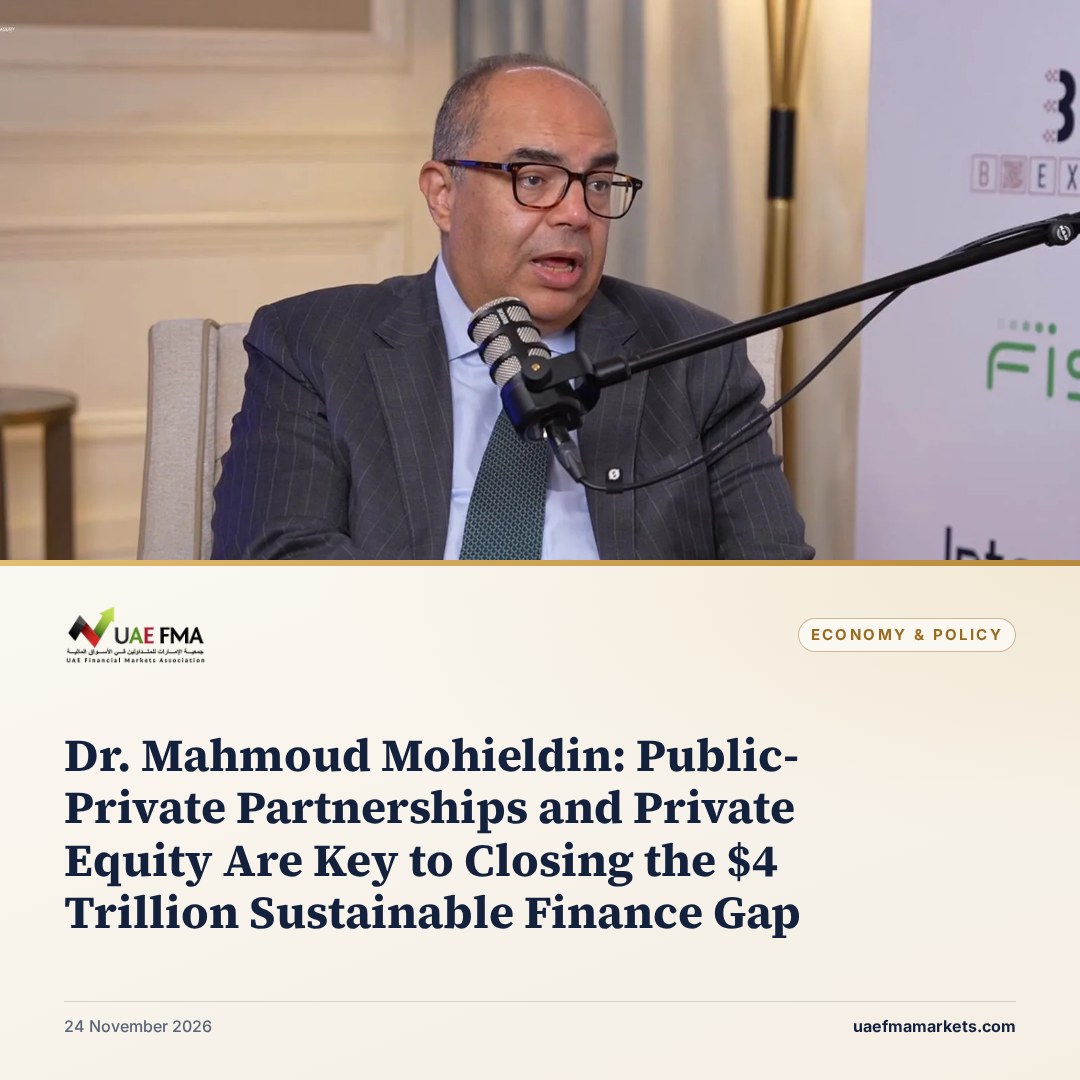
Closing the roughly $4 trillion financing and investment gap facing developing and emerging economies will depend on public-private partnerships and private equity rather than more public spending or debt, Dr. Mahmoud Mohieldin, UN Special Envoy on Financing the 2030 Agenda for Sustainable Development, said on the UAEFMA Podcast.
Speaking with Paul Chalmers, Founder and CEO of UK Trading Academy, a day after receiving the Lifetime Achievement Award at the 6th GCC Financial Markets and Treasury Conference (GCC FMT 2026) in Dubai, Mohieldin praised the summit "for its ability for convening people from different backgrounds and interests," from asset management to treasury and financial institutions.
3 to 5% of GDP a year
Citing the latest UN reports, Mohieldin said a high-income economy like the UAE "is expected to invest no less than 3 to 5% of GDP every year in order to do the right thing for financing sustainable development goals," while middle-income countries such as Egypt need to invest even more in infrastructure and renewable energy.

That heavy lifting cannot come from constrained government budgets alone, he said. "It's basically the opportunity and, I would say, as well the magic: public-private partnership." Countries such as the UAE and Saudi Arabia want the private sector not just for funding but for "technology, for better management, for ability to do better with the supply chain and export orientation."
"The $4 trillion are not going to be bridged through more public spending, more debt. They are going to be relying more on private equity participation, especially on energy sector and infrastructure," he said.
Diversification and AI readiness
Mohieldin said the IMF had just updated its outlook for the UAE to slightly positive growth for 2026, and that the region's economic diversification and investment had strengthened its resilience. He highlighted that UAE leaders "always report first the non-oil sector", and that the UAE is among the emerging economies best prepared for AI, through investment in human capital, digital infrastructure and AI governance.
His advice to the region was to keep policies well coordinated and predictable, continue investing in digital infrastructure and in training talent, and to help connect a fragmented world. "We need to be part of the bridging of these islands," he said.
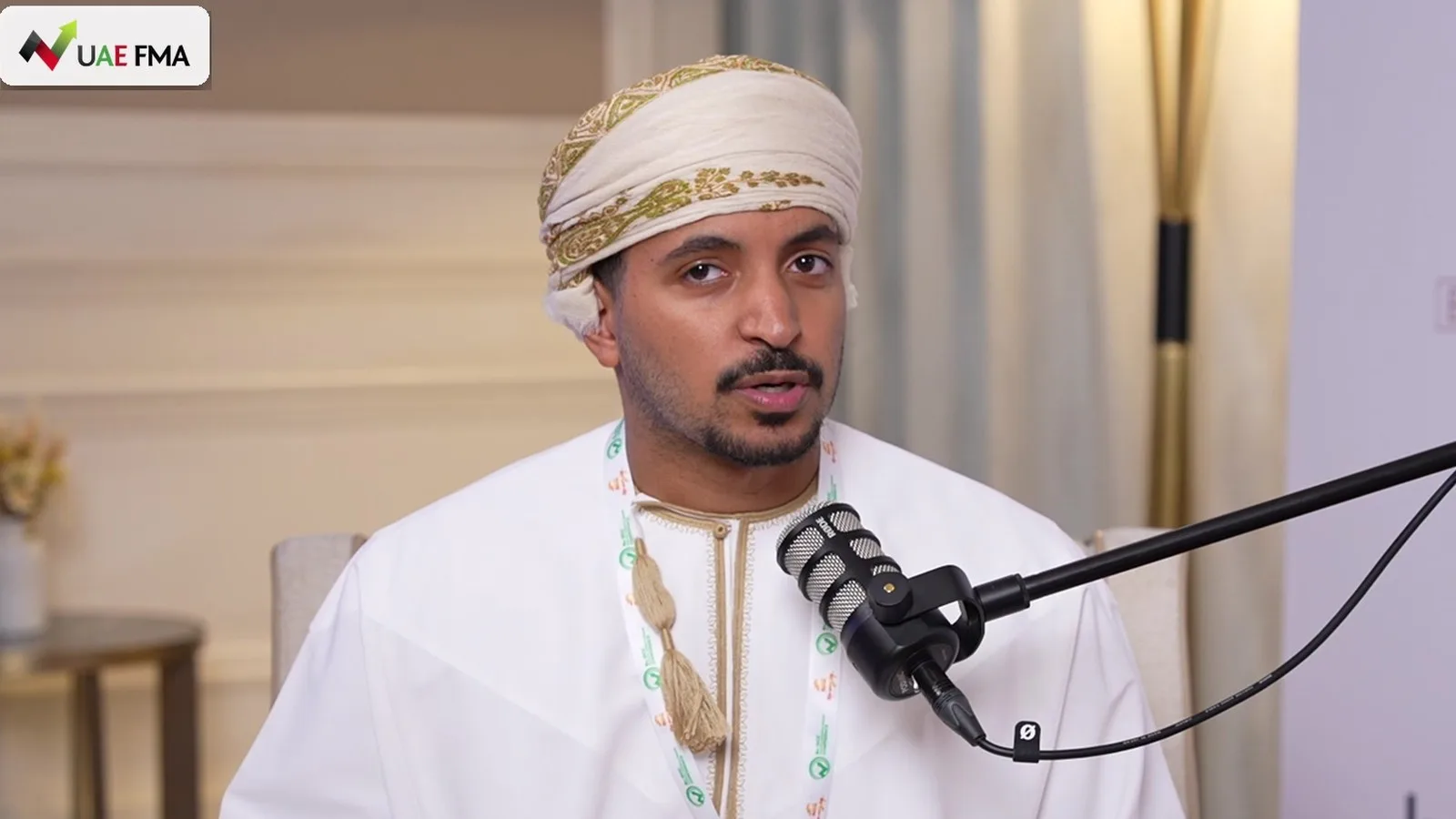
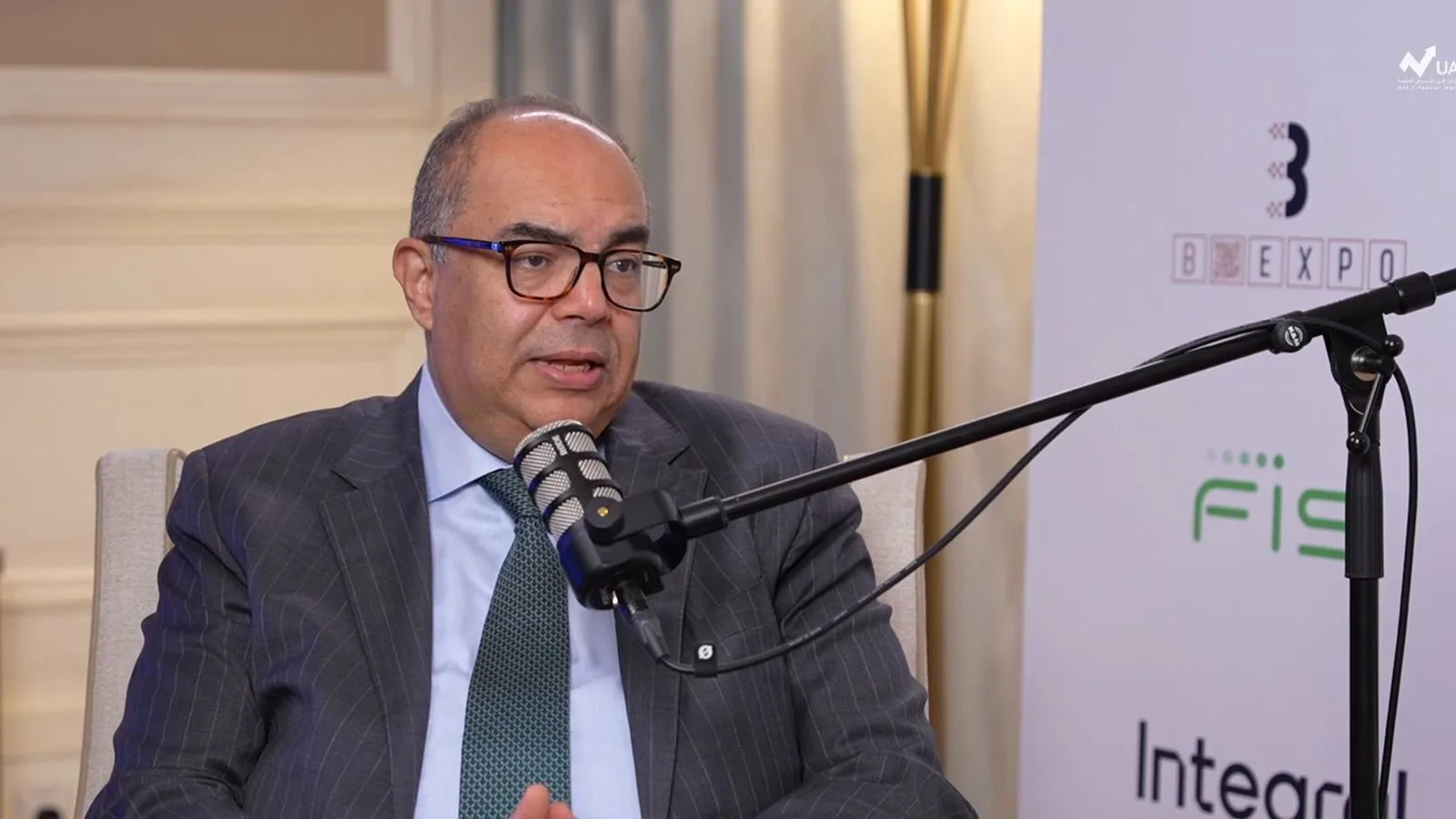
Image: Dr. Mahmoud Mohieldin, UN Special Envoy on Financing the 2030 Agenda, on the UAEFMA Podcast at GCC FMT 2026 in Dubai. · Photo: UAEFMA Podcast / GCC FMT 2026

The newsroom of UAEFMA Markets, the news service of the UAE Financial Markets Association, covering UAE banking, treasury, capital markets and fintech.
Related stories
View all →